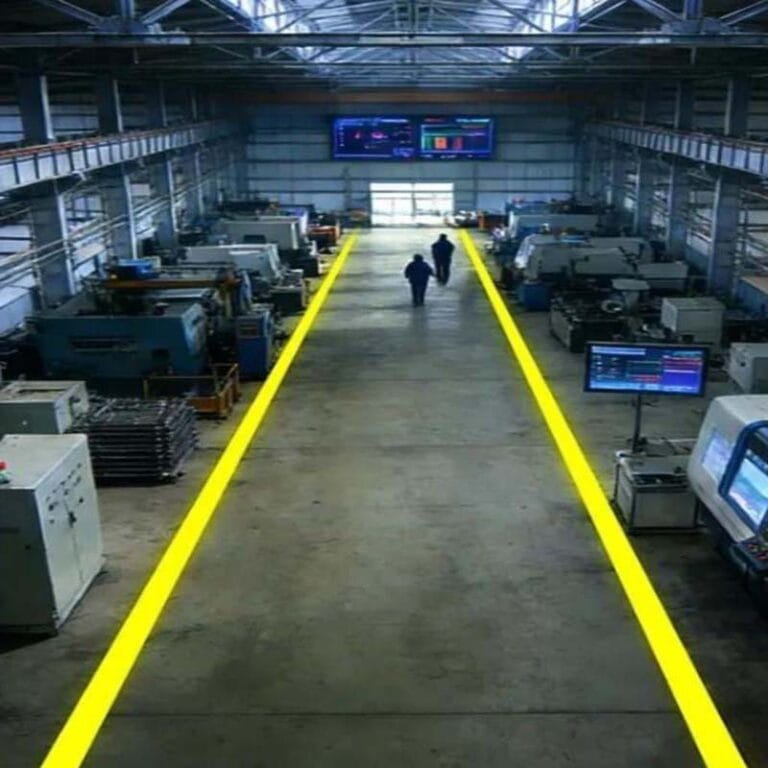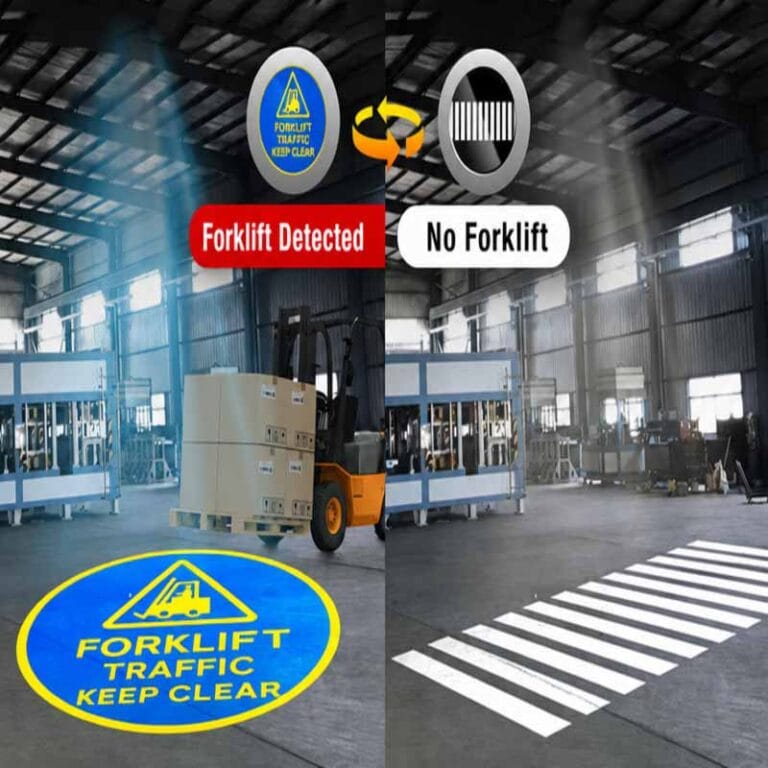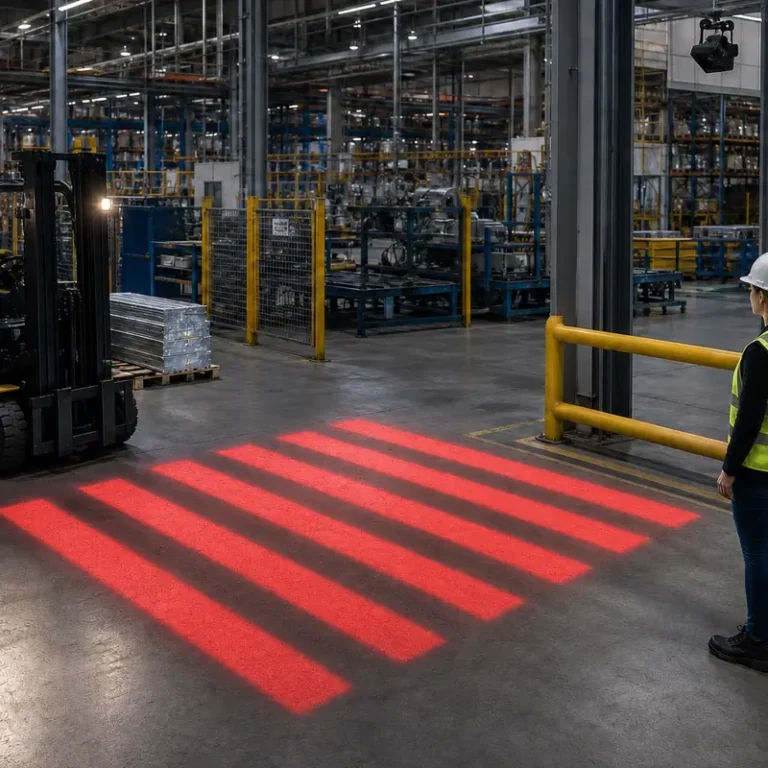

SHENZHEN, China – June, 2026 – Noparde, a trusted manufacturer of industrial safety projector, officially releases its upgraded high-temperature resistant projectior series, targeting steel mills, metallurgical foundries and hot production workshops. The new product line addresses the long-standing industry issue that conventional projectors break down quickly under sustained high-temperature working conditions.
Most standard industrial projection lights can only withstand a maximum ambient temperature of 60℃. In metallurgy and hot rolling workshops where ambient temperature hits 80–90℃ year-round, ordinary equipment suffers severe light decay, short service life and frequent failures, bringing extra maintenance costs and hidden safety risks for plant operators.
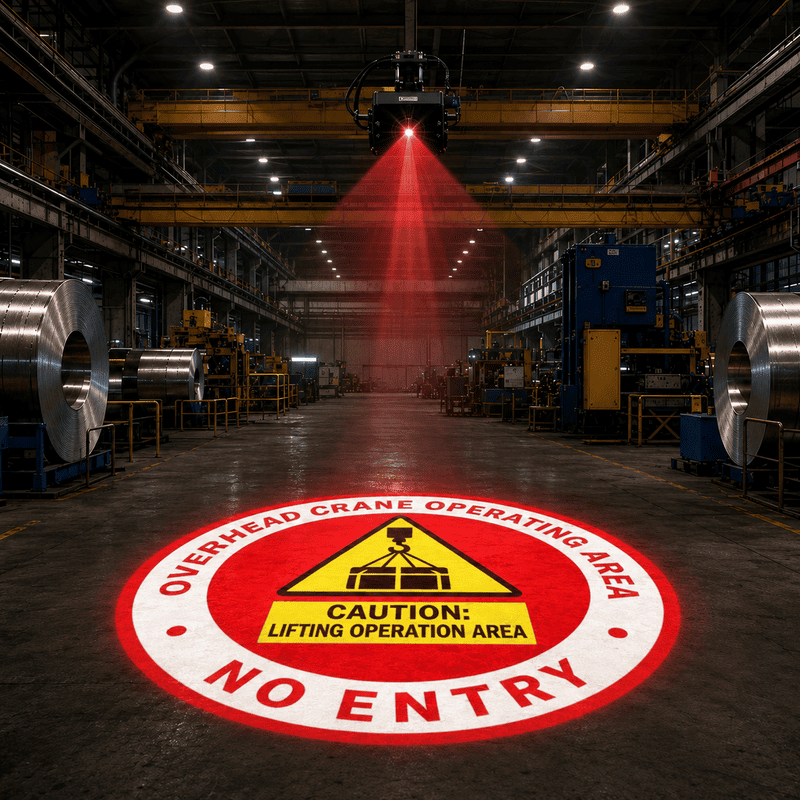
To eliminate this bottleneck, Noparde’s R&D team optimized the core heat dissipation architecture of the new series:
Oversized Integrated Heat Sink System
The aviation-grade aluminum alloy radiator occupies over 4/5 of the lamp body volume, with dense finned heat dissipation structure to rapidly export internal heat, delivering reliable 24/7 continuous operation under 90℃ high-temperature environment.
Stable Industrial-Grade Power Supply
Equipped with certified Mean Well power adapters, the projector maintains stable output under complex factory voltage fluctuations, avoiding sudden shutdown caused by power instability in heavy industry workshops.
High-Power Customizable Configuration
Available in 200W and 300W high-power options,Power output can also be customized. matching different projection distance and coverage demands. Custom safety warning gobos are also supported for personalized factory marking.
“High-temperature workshops have always been a tough application scenario for industrial projection equipment,” said Noparde Product Manager. “We designed this series specifically for heavy industry clients, focusing on heat dissipation and long-term stability. Instead of frequent replacement of cheap low-temperature projectors, factories can cut overall maintenance costs by switching to our heat-resistant models, while keeping safety warning markings visible at all times.”
The new high-temperature resistant projector series is now open for sample testing and bulk order inquiries. Global industrial clients can submit their workshop temperature, projection distance, power and lens requirements to Noparde’s sales team to get customized quotations and technical parameter support.