
SHENZHEN, China — August 2026 — Noparde has introduced a new 300W zebra crossing projector designed to make pedestrian crossing points easier to see in factories, warehouses, logistics centers, and loading areas.
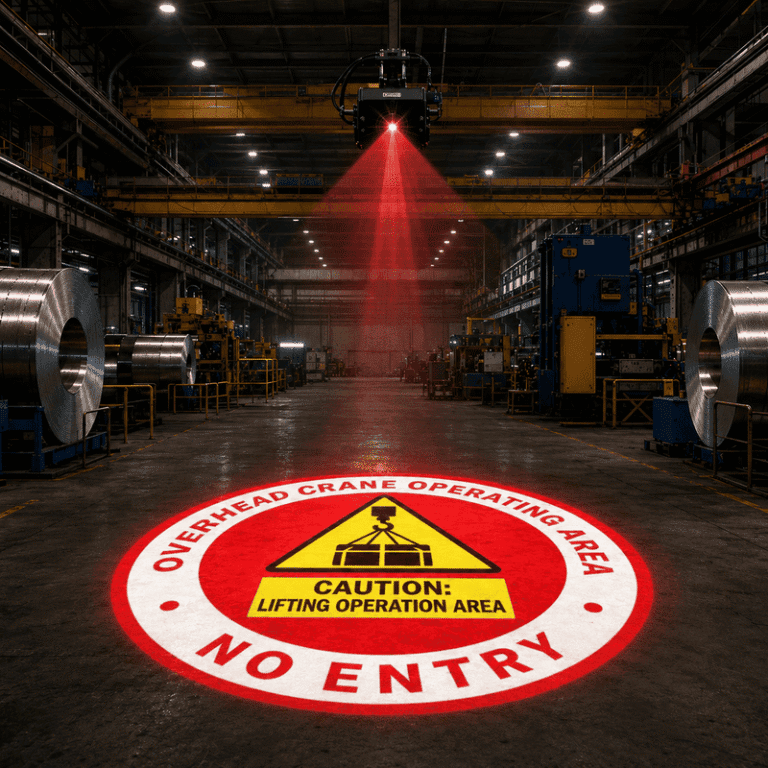
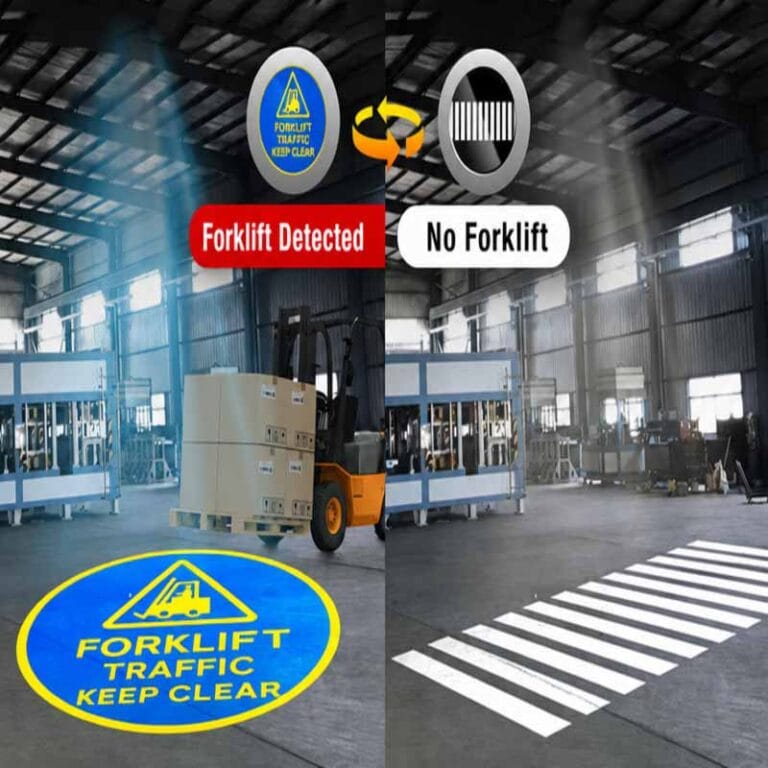
The high-power projection system displays a bright zebra crossing or caution pattern directly on the ground. It is intended for locations where forklifts, industrial vehicles, delivery trucks, and people frequently use the same traffic routes.Unlike painted markings and adhesive floor tape, the projected image does not sit directly on the floor. Forklift tires, cleaning machines, dust, water, and daily traffic therefore do not wear away the warning pattern itself.
Pedestrian safety becomes more difficult when people must cross active vehicle lanes. Noise, stored goods, machinery, doors, and building corners can reduce visibility and leave drivers with little time to react.The UK Health and Safety Executive recommends separating pedestrians and vehicles wherever possible. Where their routes must cross, the crossing point should be clearly marked and visible to both drivers and pedestrians. Busy locations may require zebra crossings, traffic lights, barriers, or other traffic-control measures.
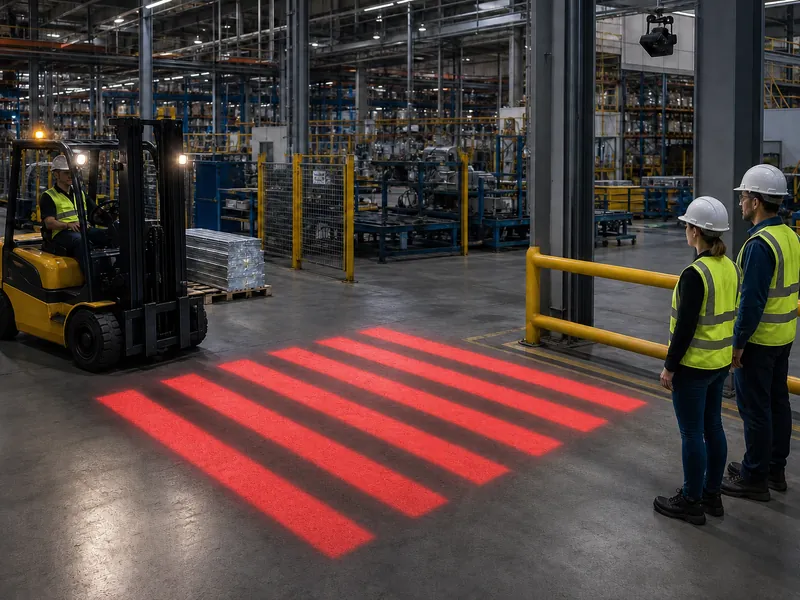
The new zebra crossing projector supports this type of traffic plan by placing a high-contrast crossing pattern where workers and drivers naturally look—the floor in front of them.It can be considered for warehouse aisle intersections, factory entrances and exits, forklift and pedestrian crossing points, loading areas, logistics center traffic lanes, workshop routes, and covered industrial roads.The product joins Noparde’s range of zebra crossing projection systems, which includes 300W, 500W, configurations for different traffic layouts and projection requirements.
Traditional floor paint remains useful, but it can become difficult to read after repeated contact with forklift tires, pallets, cleaning equipment, oil, and dust. Floor tape may also lift or become damaged in heavy-traffic areas.A projected crossing offers several practical advantages. The pattern is not physically touched by vehicles, its position can be adjusted when traffic routes change, and it places a visual warning directly where pedestrians and vehicles meet.
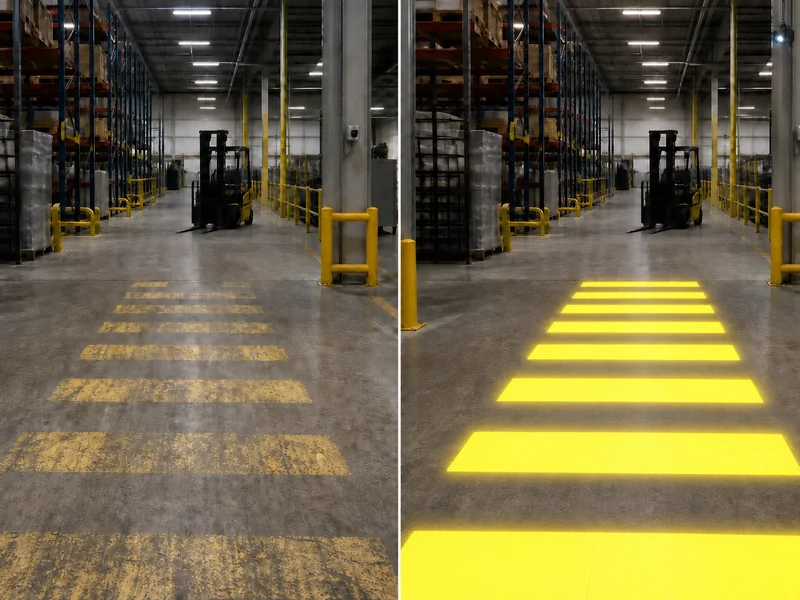
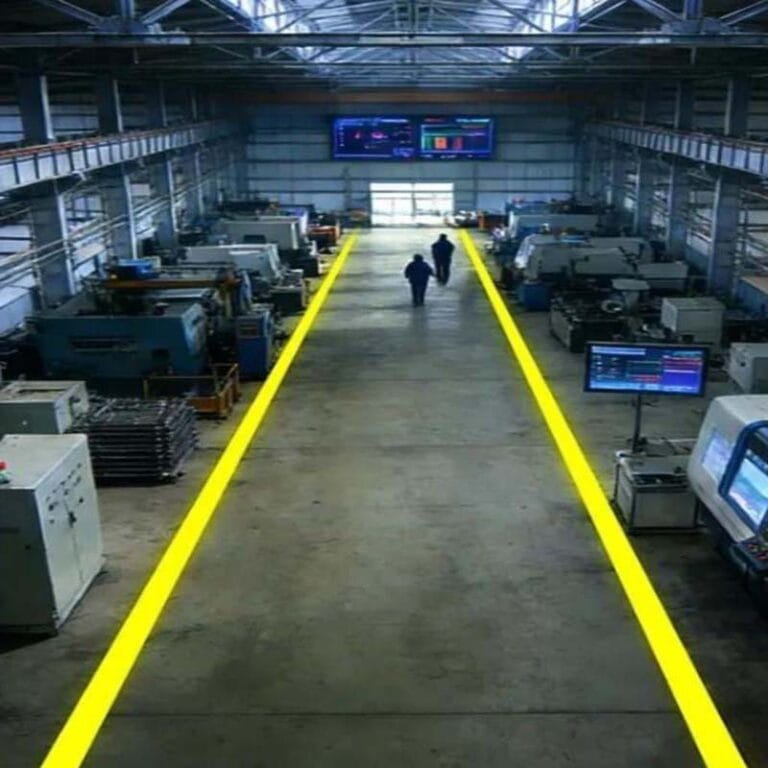
The system may also support customized warning content based on project requirements. Possible patterns include zebra crossings, pedestrian icons, arrows, STOP signs, caution symbols, route instructions, and site-specific graphics.This flexibility helps safety managers match the projected image to the real traffic rule instead of using the same warning sign in every location.
Choosing a projector should not be based on wattage alone. Mounting height, projection distance, target image size, floor color, ambient light, installation angle, voltage, and operating environment can all affect the final result.Before installation, the site team should identify where pedestrians naturally cross the vehicle route, which direction vehicles approach from, and whether racks, doors, columns, or equipment create blind spots.The required image size, brightness during different shifts, indoor or outdoor conditions, and whether the warning should remain on continuously or work with a sensor should also be confirmed.Noparde can use this information to help determine the appropriate lens, mounting position, pattern, and projector configuration.
With the launch of the 300W projector, Noparde is expanding its industrial traffic-projection range for facilities that need a durable and visible alternative to frequently damaged floor markings.The system is suitable for new traffic-management projects as well as upgrades to existing pedestrian crossings. It can make crossing locations easier to notice while reducing dependence on floor markings that require regular repainting or replacement.For a suitable configuration, customers should provide the mounting height, projection distance, required crossing size, ambient light level, voltage, installation environment, and preferred warning artwork.