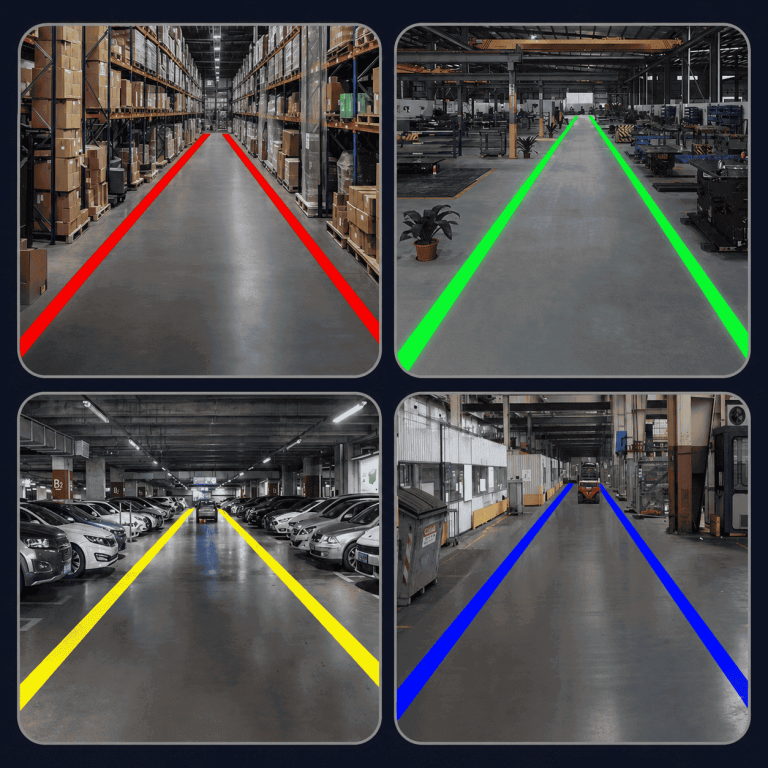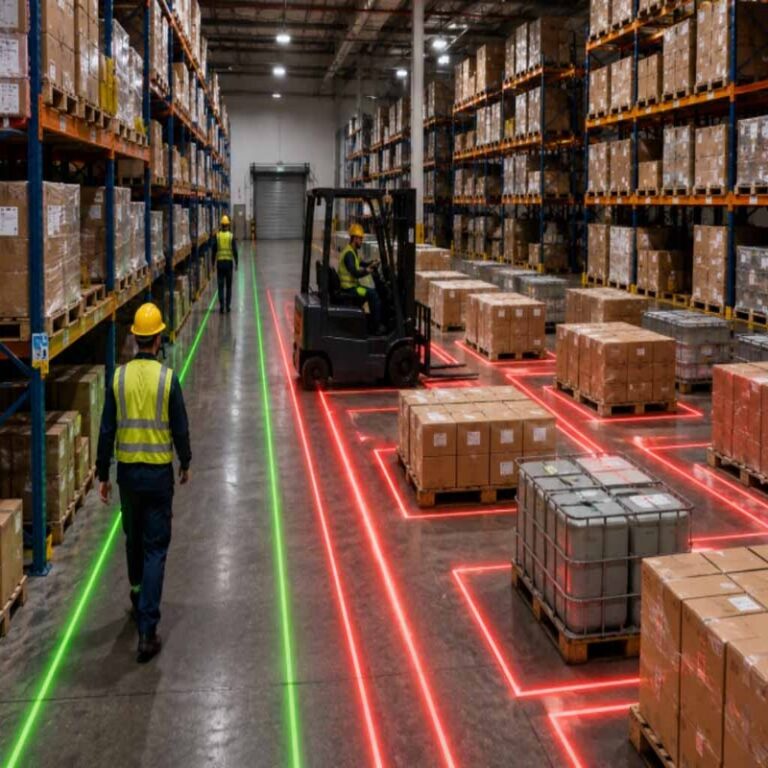

In factories, warehouses, parking areas, and loading zones, clear safety signs help workers and visitors understand potential dangers. However, traditional safety signs may be hard to see in dark areas, busy workspaces, or places where signs cannot be installed easily. A safety sign projector offers another way to display important warnings by projecting bright symbols, words, and safety graphics directly onto floors and other surfaces.
Unlike printed signs, projected safety messages can be placed where people need to see them most. From STOP signs at vehicle crossings to forklift warning symbols in warehouse aisles, this technology helps make safety information more visible and easier to understand.
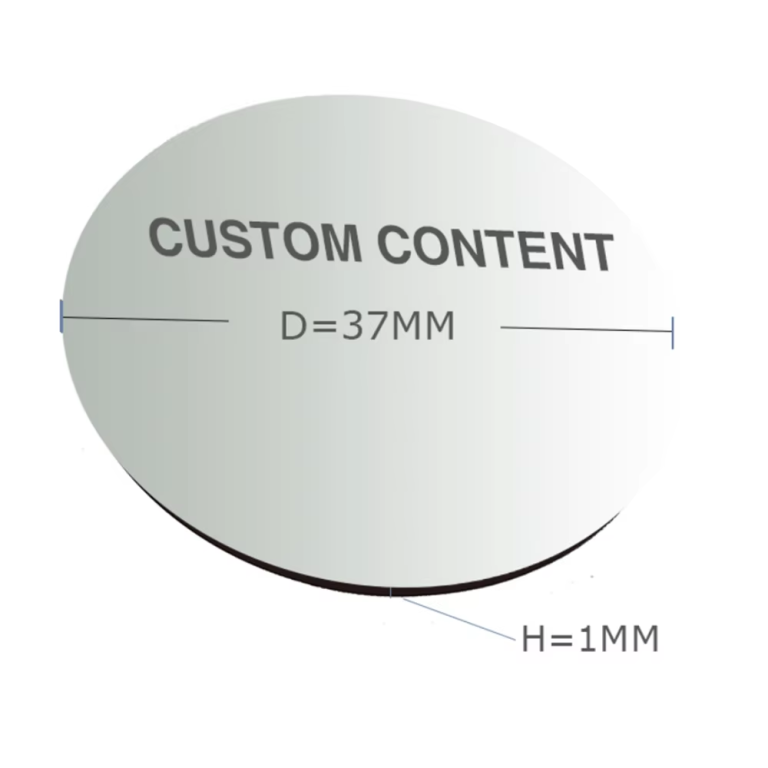
A safety sign projector is a lighting device that projects safety symbols, warning messages, or custom graphics onto a selected surface. It uses a light source and a custom image slide, often called a gobo, to display a clear sign without printing it directly on the floor.Common projected signs include STOP, CAUTION, NO ENTRY, pedestrian crossing symbols, forklift warnings, and other workplace safety graphics. The projected image can be customized to match the needs of a specific workplace.For example, a factory may need a warning sign near a machine, while a warehouse may require a clear STOP symbol at the end of a forklift aisle. With the right projector and lens, businesses can select a suitable image size and projection distance for different locations.
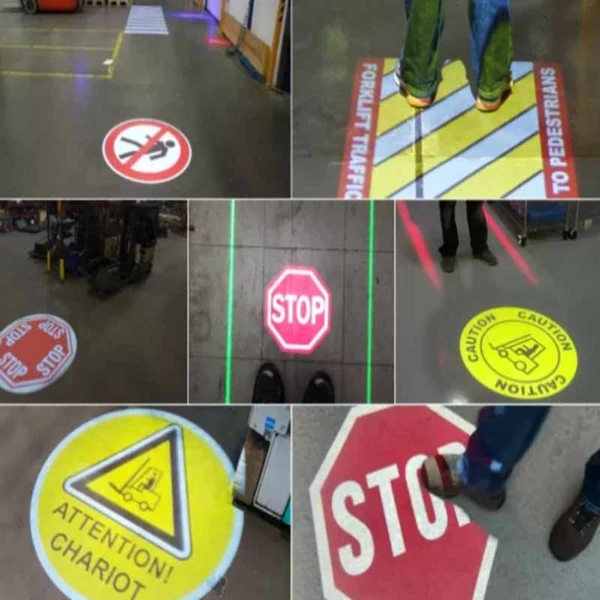
A safety sign projector can be used in many industrial and commercial environments. Each application has different safety needs, so the projected image should match the risks in that area.
1. Warehouse and Forklift Safety
Warehouses often have forklifts, pallet trucks, and pedestrians moving through the same space. At aisle crossings, blind corners, and loading areas, workers may not notice a small wall sign while focusing on their tasks.A projected STOP sign or forklift warning symbol can make these locations easier to recognize. Yellow warning triangles, red STOP symbols, and other high-contrast graphics help draw attention to areas where extra care is needed.A stop sign projector can be installed near an intersection or vehicle route to project a STOP symbol onto the floor. This gives forklift operators and pedestrians another visual reminder to slow down and check their surroundings.
2. Factory Floors and Machine Areas
Manufacturing plants contain machines, moving equipment, and areas that require special attention. Projected warning signs can mark restricted zones, machine operating areas, and places where workers should keep a safe distance.For example, a yellow warning triangle can indicate a potential hazard, while a NO ENTRY symbol can help identify an area that only authorized workers should enter.A safety sign projector can also display custom symbols designed for a particular machine or production process. This makes it easier for businesses to match safety messages to their workplace layout.
3. Pedestrian Crossings and Vehicle Routes
In industrial parks, logistics centers, and large warehouses, pedestrians often need to cross routes used by forklifts or other vehicles. Clear crossing signs can help both drivers and pedestrians recognize these shared areas.Projectors can display zebra crossings, directional arrows, and pedestrian warning symbols on the floor. These projected markings are especially useful in locations where floor painting may be difficult or where the layout changes regularly.In outdoor areas, suitable projection equipment can also display large safety graphics on pavement or concrete surfaces. The projector must be selected according to the installation distance, ambient light, and local weather conditions.
4. Parking Areas and Loading Zones
Parking garages, delivery areas, and loading docks need clear signs to guide vehicles and pedestrians. Projected STOP, CAUTION, and restricted-area symbols can help highlight important points along these routes.For example, a warning image near a loading dock can remind drivers to pay attention before reversing. A projected pedestrian symbol can help identify a walking route near vehicle traffic.Because these signs appear directly on the ground, they can be placed close to the area where people need to take action.
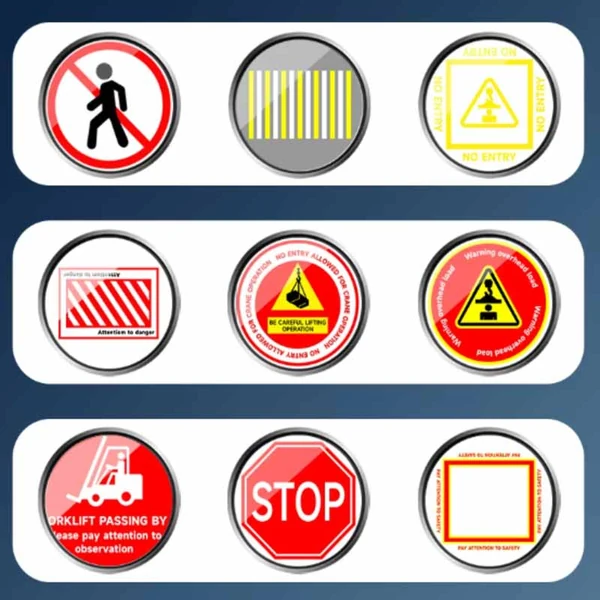
One important benefit of a safety sign projector is its ability to place visual warnings directly in the working area. Instead of asking people to look up at a wall, the projected image appears on the floor in front of them.
Better visibility: Bright, high-contrast images can help workers notice warning signs in busy environments. Actual visibility depends on the projector’s brightness, the surface, and the surrounding light.
Flexible installation: Projectors can be mounted on ceilings, walls, support structures, or suitable industrial equipment. The mounting position should provide a clear projection area and a secure installation.
Custom safety graphics: Businesses can choose STOP signs, caution triangles, forklift symbols, pedestrian crossings, arrows, and other designs according to their needs.
Easy layout changes: When work areas or traffic routes change, projected signs may be updated by replacing the image slide or adjusting the installation, depending on the projector design. This can reduce the need to repaint floor markings.
Support for workplace safety: Projected signs provide additional visual reminders that can support existing safety procedures, floor markings, training, and traffic management plans.
Choosing the right safety sign projector starts with understanding how people and vehicles move through the workplace. The projector should be installed in a position where workers, forklift operators, and pedestrians can easily see the projected warning before reaching a hazardous area.
For busy warehouses, it is important to avoid placing projected signs where goods, machines, or moving vehicles may block the image. At intersections and blind corners, the warning should be visible from the main approach direction so that people have enough time to notice it and respond.
Installation stability is another important factor. In industrial environments, vibration from machinery or moving equipment may affect the projector’s position over time. A secure mounting bracket helps keep the projected image in the correct location and reduces the need for frequent adjustments.
Finally, test the projected sign under actual working conditions. Check whether the image is clear, whether its size suits the area, and whether workers can recognize the symbol from a suitable distance. Proper positioning and regular checks help keep projected safety signs useful in daily operations.
Custom projection is useful when standard warning symbols do not fully meet a workplace’s requirements. With gobo signage, businesses can display specific words, logos, arrows, and safety graphics designed for their own facilities.
For example, a logistics center may need a forklift warning in one area and a pedestrian crossing symbol in another. A factory may require a custom danger sign near a production line. The image can be designed to fit the application, making the warning more relevant to the people working there.Before installation, it is important to test the image size, brightness, focus, and position. Projected markings should complement existing safety signs and approved floor markings rather than replace required safety measures.
A safety sign projector provides a flexible way to display warning messages in factories, warehouses, loading zones, parking areas, and other industrial environments. By projecting clear STOP signs, caution symbols, pedestrian crossings, and forklift warnings onto floors, businesses can make important safety information easier to notice.The best solution depends on the application, projection distance, lighting conditions, and required image design. With the right equipment and proper installation, projected safety signs can support workplace awareness and help businesses create clearer, better-organized working areas.